PART 2 — THE MORNING AFTER
I didn’t sleep that night.
I sat in the small guest room of a motel on the edge of Savannah, staring at the ceiling while rain tapped softly against the window.
For the first time in four years, I had nowhere I was expected to be.
No breakfast to prepare.
No laundry waiting downstairs.
No dog scratching at my door.
No electricity bill on the kitchen counter.
No Stephanie calling my name from the other side of the house.
The silence should have frightened me.
Instead, it felt strangely peaceful.
I opened my purse and counted what I had.
$1,247.63.
That was everything.
My retirement payment had arrived two days earlier. After medication, the motel room, and a few necessities, I had very little left.
But for once, every dollar belonged to me.
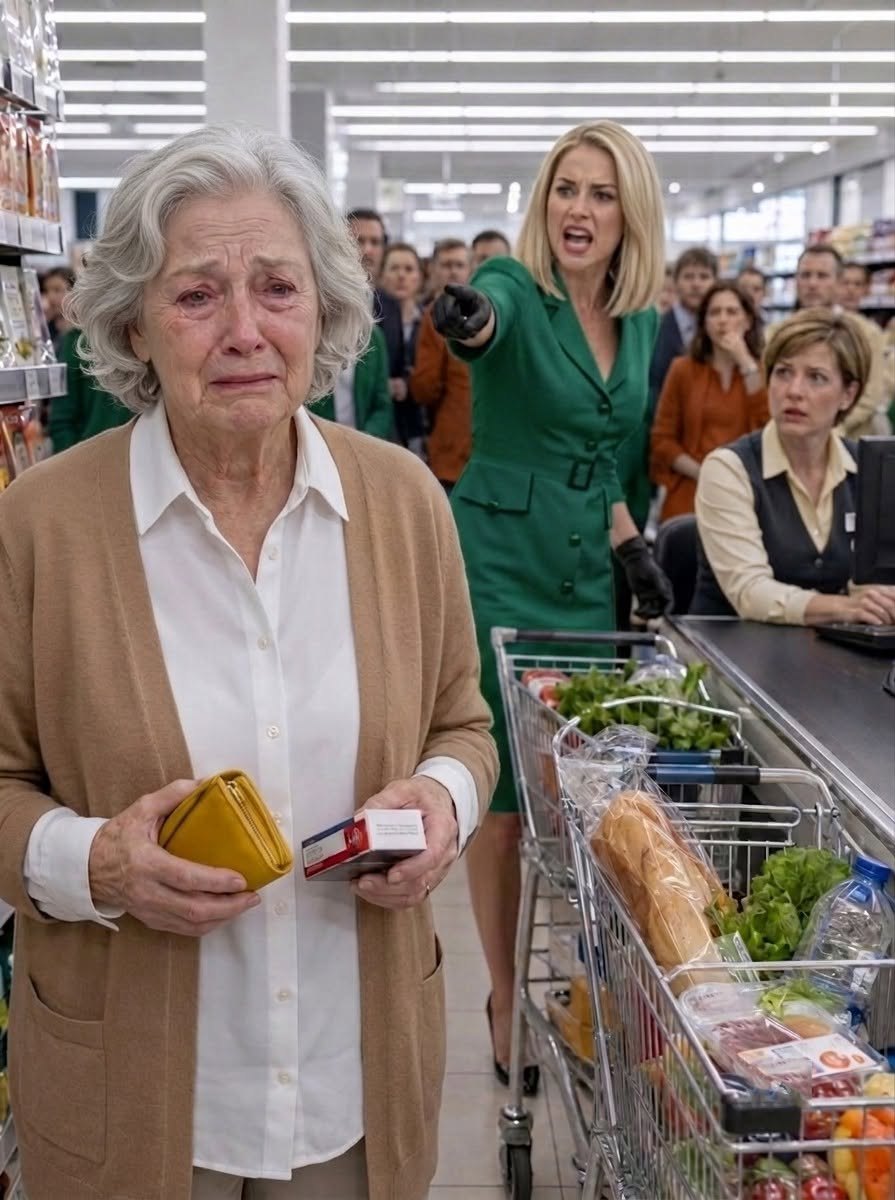
I looked at my red wallet.
It was the same wallet I had carried since Donald was alive.
He had bought it for me on our fortieth anniversary.
“Red,” he had said with a smile. “So I’ll never lose you in a crowd.”
I smiled sadly at the memory.
Then my phone buzzed.
Stephanie.
I stared at her name.
She called once.
Then again.
Then a third time.
I didn’t answer.
A few seconds later, a message appeared.
Mom, where are you?
Another one.
You embarrassed me yesterday.
Then:
You need to come home.
I almost laughed.
Home.
That word had become complicated.
My phone buzzed again.
Clinton is furious. You ruined his dinner.
I typed a response.
Then deleted it.
I typed another.
Deleted that too.
Finally, I put the phone face down.
I had spent four years explaining myself.
I was tired.
Around seven in the morning, someone knocked on my motel door.
I froze.
For one terrible second, I thought Stephanie had found me.
I looked through the peephole.
A woman in her sixties stood outside wearing a navy-blue uniform.
“Motel manager?” she asked.
I opened the door cautiously.
“Mrs. Henderson?”
“Yes?”
“You left something at the front desk last night.”
She handed me a large brown envelope.
I frowned.
“I don’t remember leaving anything.”
“There was a gentleman who dropped it off.”
My stomach tightened.
“What gentleman?”
“He wouldn’t give me his name.”
I opened the envelope.
Inside was a single photograph.
Donald.
My husband.
Alive.
Not the photographs I had at home.
Not an old wedding picture.
This photograph had been taken recently.
Very recently.
Donald was standing outside a building I didn’t recognize.
Behind him was a black SUV.
I stared at the photograph until my hands began to shake.
“Who gave you this?”
The woman shook her head.
“He said you would understand.”
I turned the photograph over.
There were four words written in black ink.
DON’T TRUST STEPHANIE.
My heart began pounding.
Donald had been dead for four years.
I knew that.
I had identified his body at the hospital.
I had attended his funeral.
I had watched the coffin lowered into the ground.
So why was there a recent photograph of him?
I sat on the edge of the bed.
Maybe it was someone who looked like him.
Maybe it was an old photograph.
Maybe this was some cruel joke.
Then I noticed something.
Donald was wearing the watch I had given him on our wedding anniversary.
The silver watch with the tiny scratch across the face.
There was no mistaking it.
I reached for my phone.
My first instinct was to call Stephanie.
But then I remembered the message.
Don’t trust Stephanie.
I looked at the photograph again.
And suddenly another memory surfaced.
Three weeks before Donald died, he had told me something strange.
We were sitting at our kitchen table.
He had been unusually quiet.
“Margaret,” he said, “if anything ever happens to me, promise me something.”
“What?”
“Don’t let Stephanie pressure you into selling this house.”
I had laughed.
“Why would she?”
He didn’t laugh.
“She’s not telling you everything.”
At the time, I thought he was being paranoid.
A few weeks later, he was dead.
And four years after that, I had sold the house exactly as Stephanie wanted.
I felt a chill move through me.
My phone buzzed again.
This time it wasn't Stephanie.
It was an unknown number.
I answered.
“Hello?”
Silence.
Then a man spoke.
“Mrs. Henderson?”
“Yes. Who is this?”
“You received the photograph?”
My heart stopped.
“Yes.”
“Then you need to listen carefully.”
“Who are you?”
“That doesn’t matter yet.”
“Is that my husband?”
Another silence.
Then:
“Yes.”
I stood up so quickly that the room spun.
“That’s impossible.”
“I know.”
“Where is he?”
“You're asking the wrong question.”
“What question should I ask?”
The man's voice became quieter.
“Ask yourself why your daughter needed your house.”
I couldn't breathe.
“What does that mean?”
“You have until tomorrow morning.”
“Until tomorrow morning for what?”
But the line went dead.
I stared at the phone.
Then I looked at the photograph again.
For four years, I had believed my daughter had taken advantage of an old woman who trusted her.
But suddenly, I wondered whether something much darker had happened.
And if Donald was really alive…
then the story Stephanie had told me about his death was only the beginning.
* * *